Well, that’s a good question and in a way very few companies manufacturing products for the international market can be fully sustainable. Having said that , we have actually paid attention to reducing the environmental effects of our products from day one - in fact, it is a key element in our design philosophy.
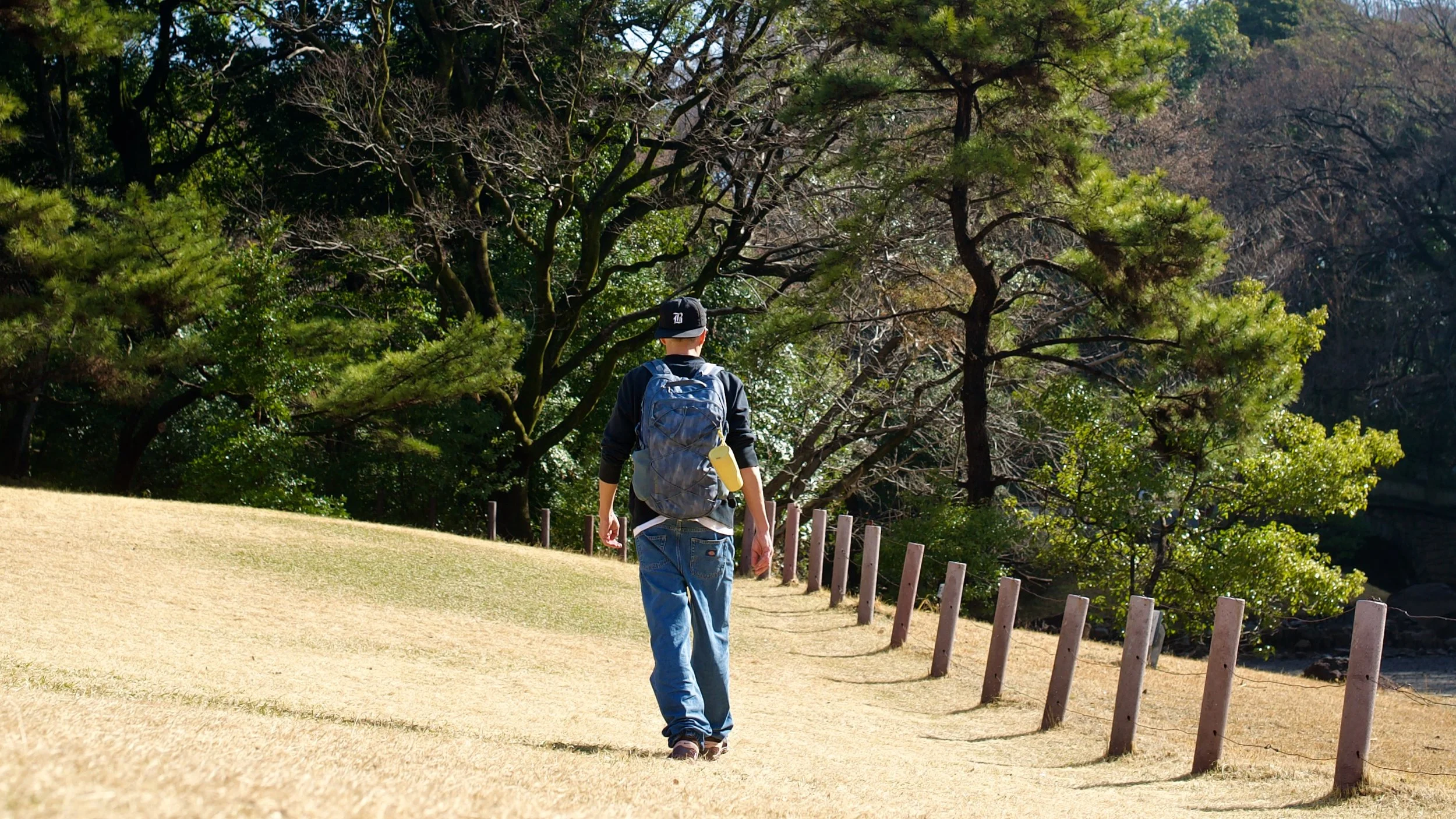
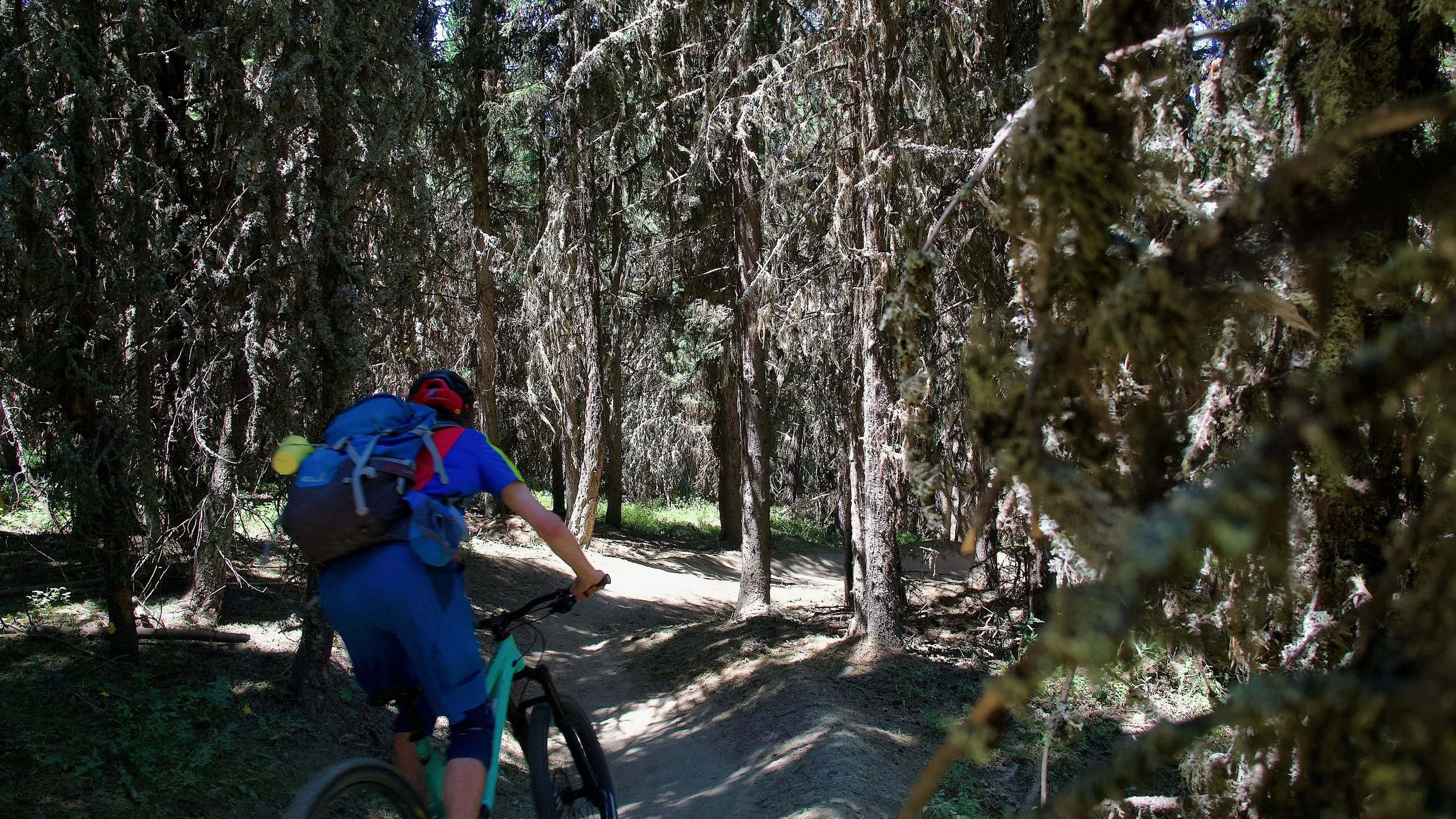
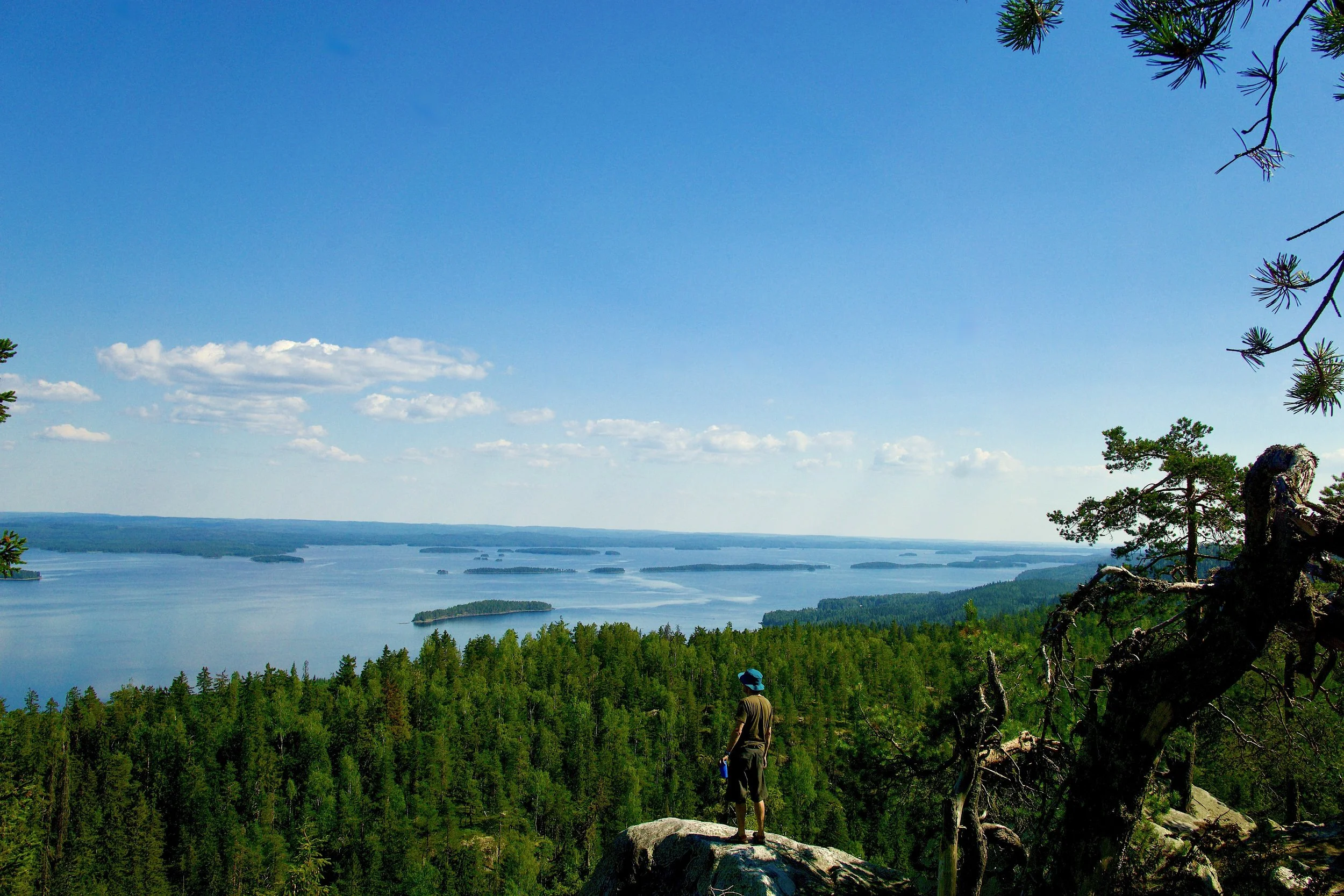
If we start from the design process of the VÄKI multi-use coffee mug, one of the main design ideas was that it was a multifunctional product, which adapted to your lifestyle. So, basically, it is 3 products in 1: a coffee and tea maker, a camping mug and a takeaway coffee cup, which you can use just as well in Lapland or Tokyo, basecamp, office or the campus.
Being multifunctional reduces the need of buying several different products, of which many would gather dust in your cupboard for several months each year.
We also chose a material, which is recyclable, durable and has a low material carbon intensity & production emissions, which all reduce the CO2 footprint of the product.
We decided to purchase the molds locally, instead of Asia, which is now pretty much the norm. Our contract manufacturer is located in Finland and the assembly + warehousing is mere 30 km´s from the production.
The material is made in the EU, and most of the part sourcing is also done and made inside the EU. The only part we currently source from Asia is the stainless steel filter, as we couldn´t find any manufacturer who could meet our premium needs and standards in the EU (true story).
What this all means is that by keeping the production, assembly, warehousing, and for the most part sourcing local, we significantly reduce the CO2 footprint of our product, compared to a scenario, where we would manufacture our products in a far away country with global sourcing.
We are also committed to joining the 1% for the planet organisation and organise our own circular economy system or recycling system within the next two years.
Is KOTA2® sustainable?
That´s fine, but what about the cold facts?
The CO2 footprint of our 450 ml VÄKI multi-use coffee mug.
It´s made of mineral-filled polypropylene, which has roughly 1,8 kg CO2/kg material carbon factor/CO2 intensity
(product weight ≈200 g)
The production is done by injection moulding, which adds ≈ 0,44 kg CO2/kg
The overall CO2 production footprint is roughly 2,2 kg CO2/kg.
The break-even vs disposable paper cups
Around 15, So, you have to use the VÄKI minimum 15 times in order to it being more sustainable than a disposable paper cup.
CO2 footprint of a similar 450 ml stainless steel mug
Stainless steel mug has around 6,5 kg CO2/kg material carbon factor/CO2 intensity (product weight ≈ 350 g)
The production of a stainless steel mug adds around 2,3 kg CO2/kg
The overall production of a stainless steel mug is roughly 8,8 kg CO2/kg
CO2 footprint of the VÄKI compared to a stainless steel mug
Steel as a material has 3-4 x higher CO2 as our mineral-filled PP
The production emissions of a stainless steel mug are around 5 x higher than our mineral-filled PP
These factors are due to the mining of iron ore, smelting process, alloying and multiple forming steps.
Lifecycle comparison (1000 coffees)
Disposable cups ≈ 30 kg CO2/kg
Stainless steel mug ≈ 5,3 kg CO2/kg
Bamboo composite ≈ 3,7-4 kg
PLA mug ≈ 3,6-3,9 kg
The VÄKI ≈ 3,4 kg
PP+ pine cellulose (30%) mug ≈ 3,2 kg (currently not certified for food use in the EU)
In a nutshell, the VÄKI features:
Low weight, durability, recyclability
80% lower production CO2 than stainless steel
36% less CO2 over the product lifecycle compared to stainless steel
38 g saved CO2 per mug from the mineral filler
Low break-even vs disposable cups with only 15 uses
If you want to know more about sustainability, you can read our article about the subject by clicking here.