

What is sustainability and will it save the world?
Words: Jaakko Järvensivu, Photos: Juha Laine

Photo: Juha Laine. location: Kyoto, Japan.
Sustainability is the new buzzword every company talks about in their marketing material, but what does it actually mean?
Well, let´s start with a history lesson. One of the first definitions of sustainable development was made in a 1987 report by the so called Brundtland Commission, who described as “meeting the needs of the present without compromising the ability of future generations to meet their own needs.”
That´s simple enough, but since then, it has been commonly accepted among researchers, that focus should be put, not only on environmental, but also on economical and socio-cultural aspects of the development.
One of the biggest threats today that can compromise the ability of future generations to meet their own needs is, of course, climate change. For this reason, the majority of the sustainability focus of companies and brands are, rightly so, now focused on the CO2 footprint the production has.
To calculate the footprint, you should add in everything included in the production of the product, such as material and part sourcing (sourcing materials and parts from all over the world, will increase the CO2 footprint), material production (some materials are more carbon intensive to produce), final production (energy used), assembly and warehousing (CO2 of the shipments between production, assembly and warehousing).
In a nutshell, the more locally you source everything, the less carbon intensive your material is, the more energy-efficient your production is, and the closer your production, assembly and warehousing are to each other, and finally, the more durable your product is, the lower the overall footprint of your product is.
(Using recyclable material and organising your own circular economy system will also enable the reuse of the material, preventing your product from ending up as harmful waste at the end of it´s life cycle.)
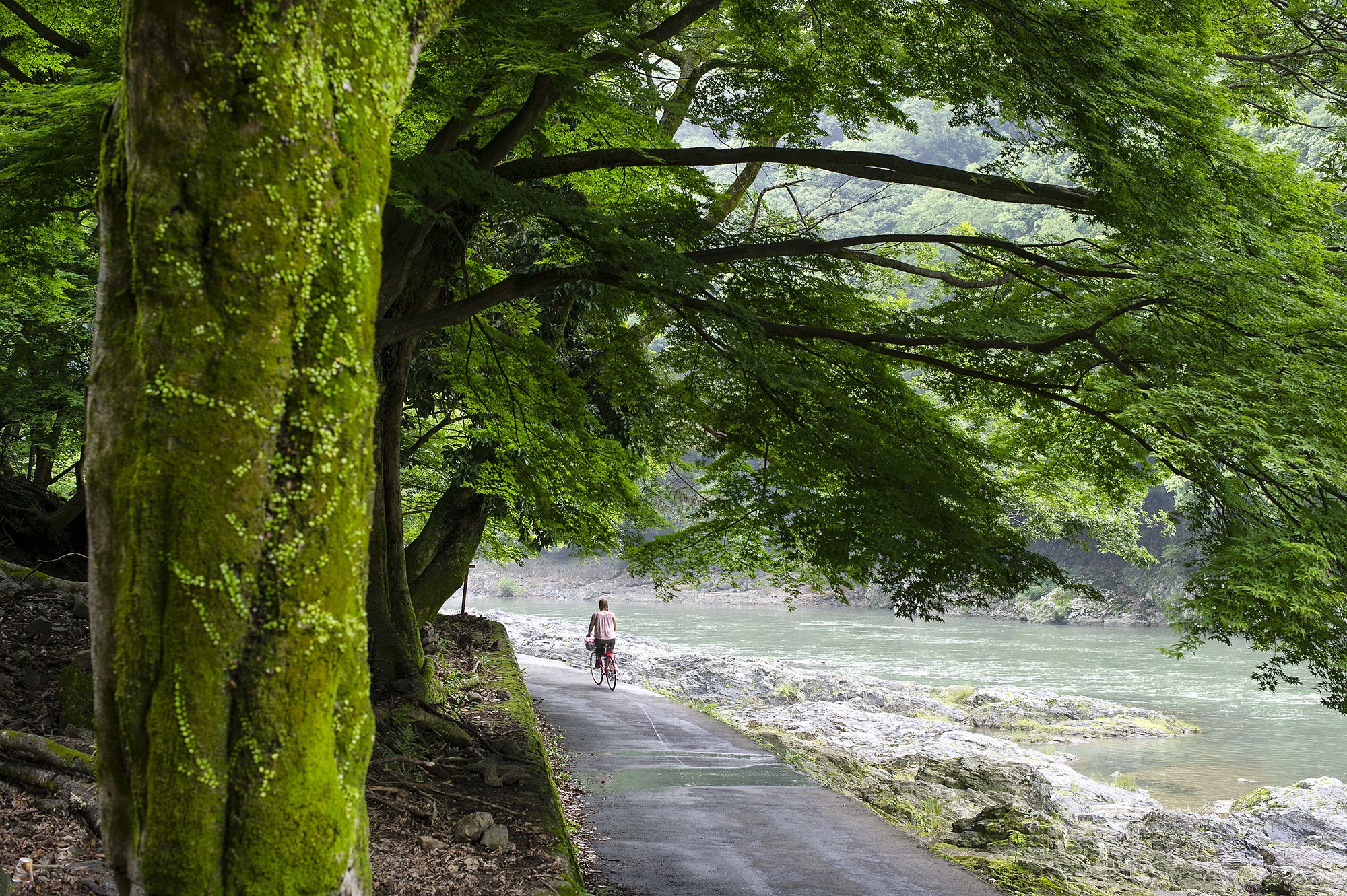
Photo: Juha Laine. Location: Kyoto, Japan.
But hey, let´s not forget the economical and socio-cultural aspects of sustainability.
What´s that all about? Well, economic sustainability means that you acknowledge the fact that we live on a planet with limited resources, which will not last indefinitely. Instead of short term profits without a care about the loss of resources, environmental impact or debt, we should focus on stable long term growth and use as much renewable resources as possible, taking responsibility of recycling the raw materials used.
Socio-economical sustainability for a company means that you are not, for example, using overseas factories with dubious reputation to manufacture your product, because you can, and it increases your profits.
An extreme example of worker exploitation would be the collapse of Rana Plaza in Bangladesh in 2013, where 1000 people, mostly garment workers lost their lives. According to the International Labour Organisation, much has improved since the accident in Bangladesh, but there is still room for improvement. Bangladesh is the second largest apparel exporter in the world after China, with USD 42,6 billion sales.
In 2012 a riot involving 2000 workers broke out in a factory in China, which was used by Apple to produce its iPhones. According to a report by Newsweek that same year, 60 million Chinese workers were so-called “labour dispatch workers”, meaning they are hired by “labour dispatch companies” and don´t have any contract with the factory they work in.
A 2021 report found that workers in China are often paid wages that are not enough to make ends meet, have to work long hours, suffer from physical pain, and need to endure psychological stress, among other things.
This is not to say that all factories in a certain geographical area are exploiting their workers - as the International Labour Organizations report said, much has improved, for example in the factories of Bangladesh. Violations to worker rights also happen in Europe, as can be seen from the case of Prato. The city in Tuscany is known for producing Italian-made fashion items with sub-standard workers rights.
Also, in our native Finland, berry companies have been under police investigation on alleged violations to workers rights, and human trafficking of their foreign berry-pickers.
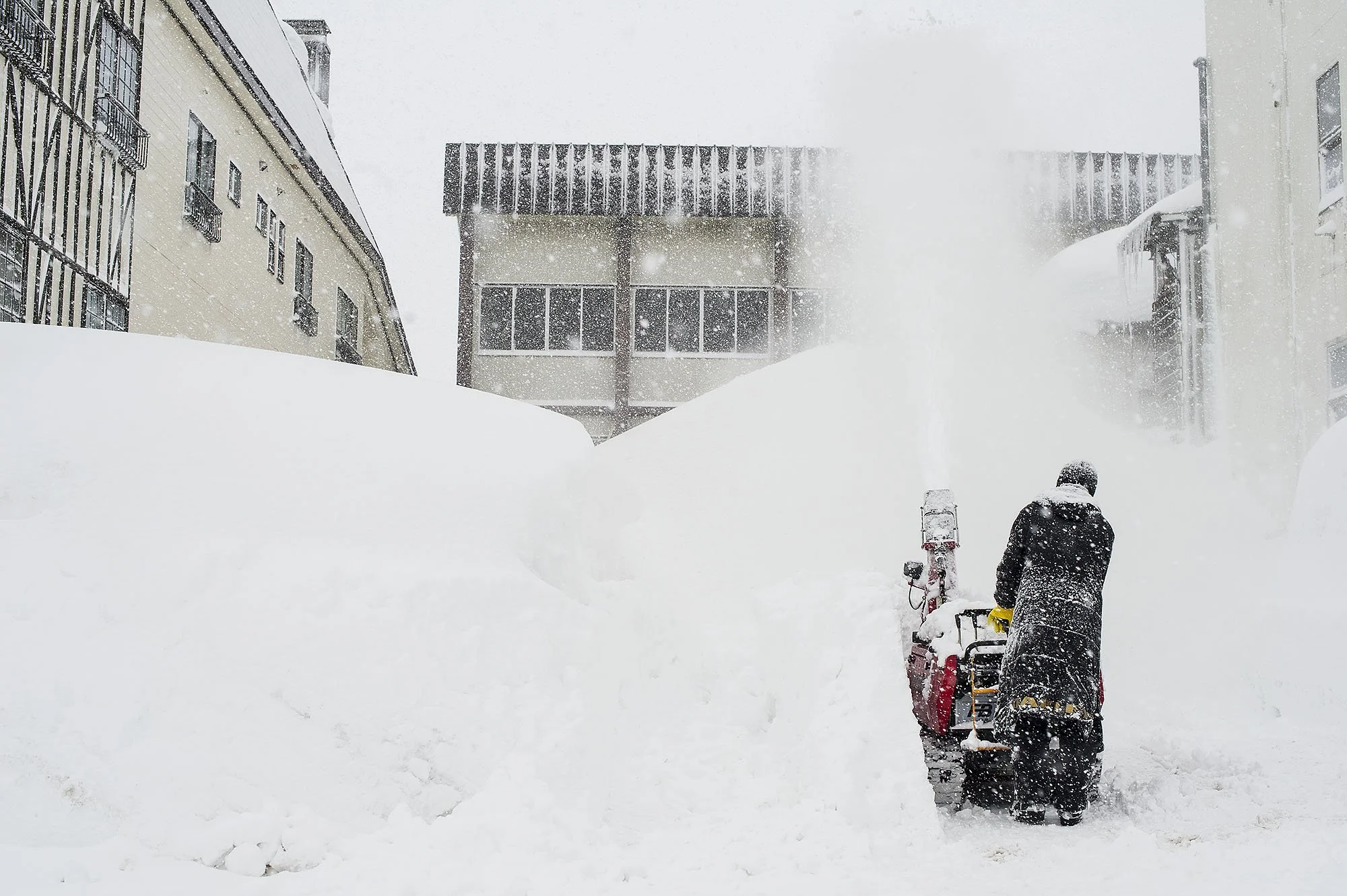
Photo: Juha Laine. Location: Myoko, Japan.
Focusing on irrelevant sustainability actions, i.e. greenwashing
Sometimes companies are not genuinely interested in reducing their environmental impact, but they would still like to appear to the outside world as they would be, in order to not feel outdated.
They might worry that their potential customers would stop using their products, if they would find out the truth, and that the company is not keeping up with the current standards. These kind of situations can lead to what is called greenwashing.
According to the UN, greenwashing presents “significant obstacles to tackling climate change by misleading the public to believe that a company or entity is doing more to protect the environment than it is. Greenwashing promotes false solutions to the climate crisis that distract from and delay concrete credible action.”
What is a false solution and what is a real solution to climate change is not always easy to understand. For example, when I interviewed ski resort managers, sustainability program leaders and climate researchers for an article called Climate Change And The Future of Ski Resorts, I learned that using modern energy-efficient snow guns and snow groomers has a far more bigger impact on reducing the resort´s climate impact, than adding a windmill, which can be used to obtain green energy.
The energy provided by the windmill is very limited and only accounts for a fraction of the energy use necessary to run the resort, but if you spin it the right way in marketing - “part of the energy we use in the ski area comes from renewable resources” - it can sound like it´s a real solution to cut down the CO2 emissions.
Luckily, authorities like the EU, and smaller national ones now protect their citizens from misleading marketing claims. In 2024 The Finnish Competition and Consumer Authority intervened in the national airline´s marketing claims, which stated the following: “we procure renewable aviation fuel, which reduces greenhouse gas emissions by as much as 80%”
The company stated that they aimed to be carbon neutral by 2045, but in their report to the Consumer Authority, it was revealed that the percentage of renewable fuels used by the company in 2022 was only 0,2%. The Consumer Authority noted that the marketing was misleading. During the same year, the EU launched an investigation on 19 airlines regarding their emission credit claims.
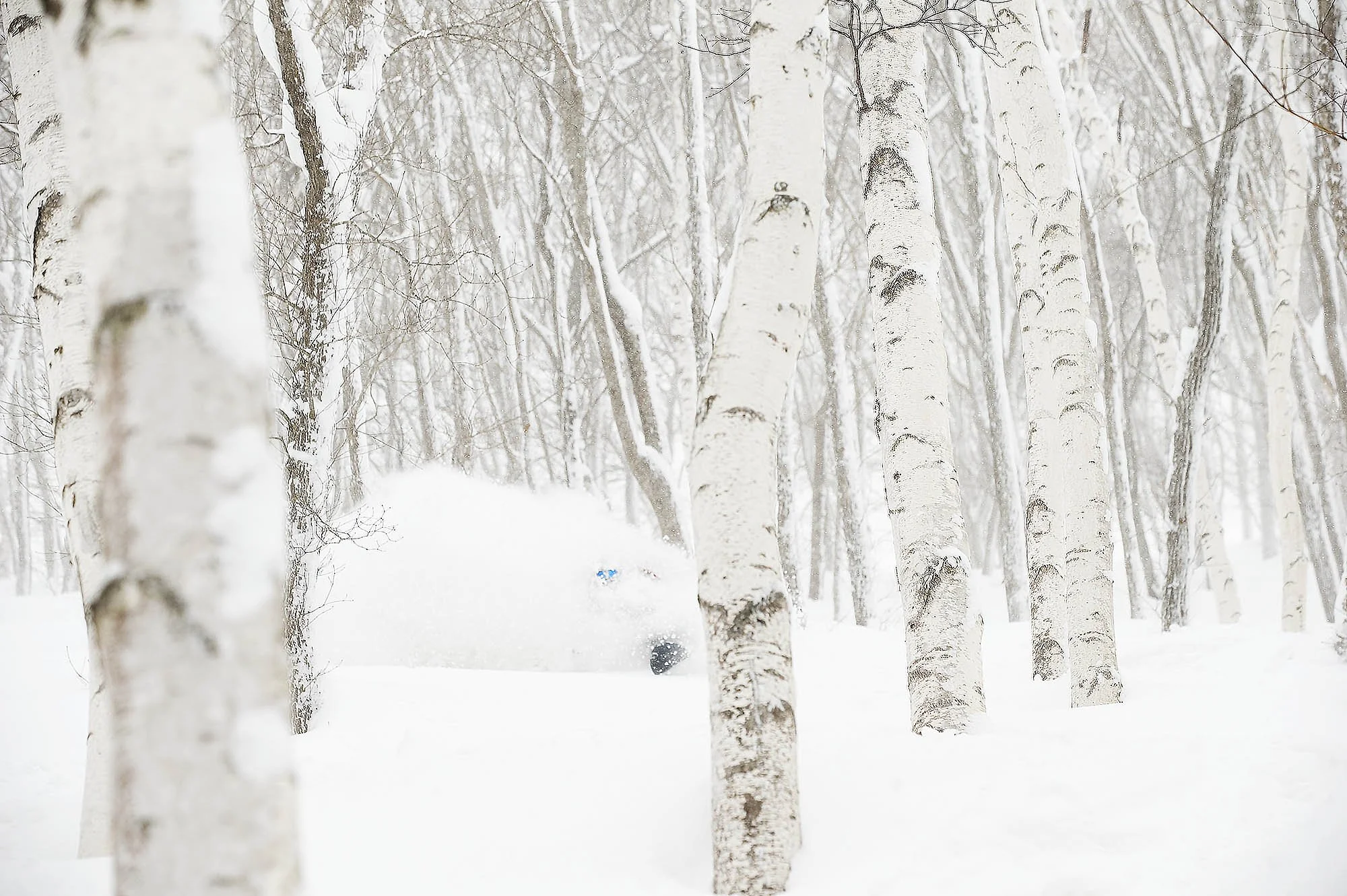
Photo: Juha Laine. Location: Myoko, Japan. Rider: Nathan Proulx.
Buy sustainable for a happy future?
Well, it’s a step for the better, but don’t be fooled to think that consuming sustainable products will somehow save the world. Buying seven jackets from Patagonia doesn’t make you a hero, it makes you a consumer.
We all have to buy things every now and then, because of the nature of the modern life, but it is important to try to make calculated decisions and not just follow trends or peer pressure.
Electric cars reduce CO2 emissions compared to cars with combustion engine, but not buying a car at all is even more ecological. Bike , walk or use the public transportation to go to work or school.
Buy fewer products that cost more, are more durable, recyclable, multifunctional and feature classic design, which will not go out of style next year. Use those products for longer, maintain them properly, repair and recycle them.
Support companies that pay attention to the right things, that are local, dedicated for a core sport or niche craft, with focus on quality and integrity, that are not in the stock market with the main purpose of maximising the profits of the share holders.
Vote for people, who aren’t climate denialists, who are pro education, pro science, pro equality and who you think will do the right thing. Demand for legislation that will sanction the companies with no care about the environment and force standards for the longevity of products, repair systems and circular economy systems.
And remember to have fun every now and then, while doing some of this: drop the phone, go camping, running or biking, climb that rock, drop into that couloir or ride that wave & bring your friends with you.
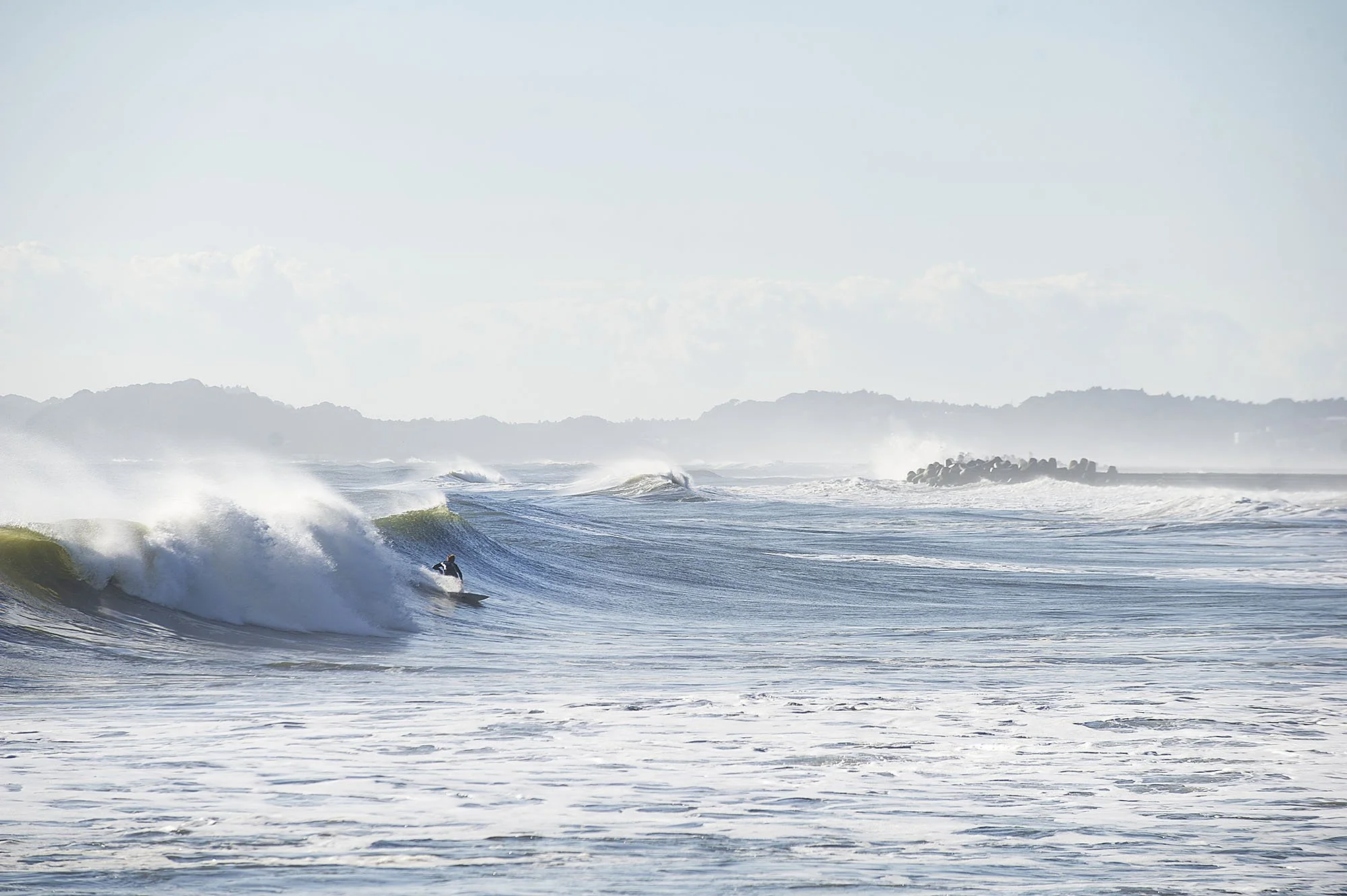
Location: Chiba, Japan. Rider: Unknown. Photo: Juha Laine
If you want to know what we at KOTA2® have done to reduce our CO2 impact, click here.